Industrial Buyer's Guide: How to Verify Certifications and Ensure Compliance for Global Swing Set Imports in 2026
For industrial buyers, importers, and project developers sourcing kids swing and outdoor swing set equipment, navigating the complex web of international regulations is a critical, non-negotiable part of the procurement process. A failure in compliance can lead to costly port rejections, legal liabilities, and irreparable damage to your brand's reputation. This guide provides a practical, step-by-step framework for verifying supplier credentials and ensuring your wooden swing sets, swing and slide combos, and other play equipment meet the stringent safety and environmental standards of your target markets.
Part 1: Decoding Key Compliance Requirements for Major Markets
Understanding the mandatory certifications is the first step. Requirements vary significantly by region.
European Union (EU) & UK
The EU has some of the world's most rigorous toy safety directives. For swing set for kids, compliance is mandatory.
- CE Marking & EN 71: The CE mark indicates conformity with EU health, safety, and environmental standards. For playground equipment, compliance with EN 1176 (Playground Equipment) and EN 71 (Safety of Toys) is essential. EN 71 covers mechanical and physical properties, flammability, and migration of certain elements.
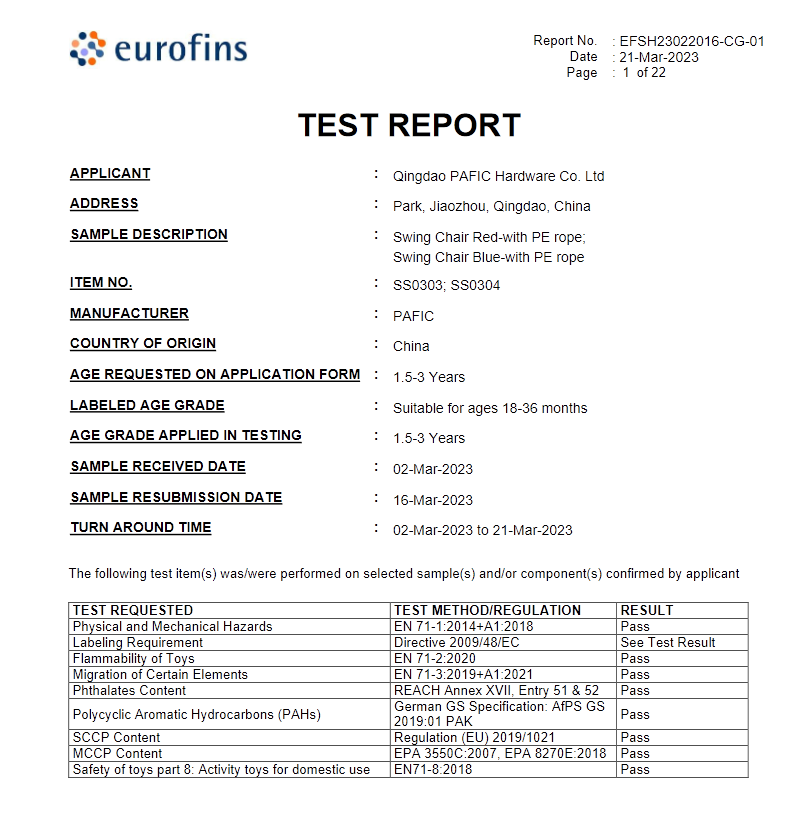
- REACH & RoHS: These regulations restrict hazardous substances (like certain phthalates and heavy metals) in materials, ensuring the swing chair or sensory swing is chemically safe for children.
North America (USA & Canada)
The regulatory landscape is a mix of federal and state/provincial rules.
- ASTM F1148 & F1487: In the USA, the Consumer Product Safety Commission (CPSC) references ASTM F1148 (Home Playground Equipment) and ASTM F1487 (Public Use Playground Equipment) as key safety standards. Compliance is often verified by third-party labs.
- CPSC Title 16 CFR Part 1303: Bans lead-containing paint on consumer products, including kids swing sets.
- California Proposition 65: Requires warnings if products contain chemicals known to cause cancer or reproductive toxicity. Many suppliers now provide Prop 65 compliance statements.
- Health Canada's SOR/2011-17: Canada's counterpart to ASTM, the "Toys Regulations" under the Canada Consumer Product Safety Act, sets safety requirements for play equipment.
Australia & New Zealand
Mandatory compliance is governed by the Australian Competition & Consumer Commission (ACCC).
- AS/NZS 8124 (Toy Safety) & AS 4685 (Playground Equipment): All outdoor swing sets imported or sold must comply with these standards. Products often require certification from a Conformity Assessment Body (CAB).
Part 2: Three Proven Methods to Verify Supplier Certifications
Never take a certificate at face value. Here’s how to conduct due diligence.
1. Direct Verification with Issuing Bodies
Request the certificate number and issuing agency (e.g., TÜV, SGS, Intertek). Visit the agency's official online database and enter the details. A legitimate certificate from a supplier like PAFIC PLAY will be verifiable. For example, their ISO 9001:2015 certification for quality management systems can be traced. 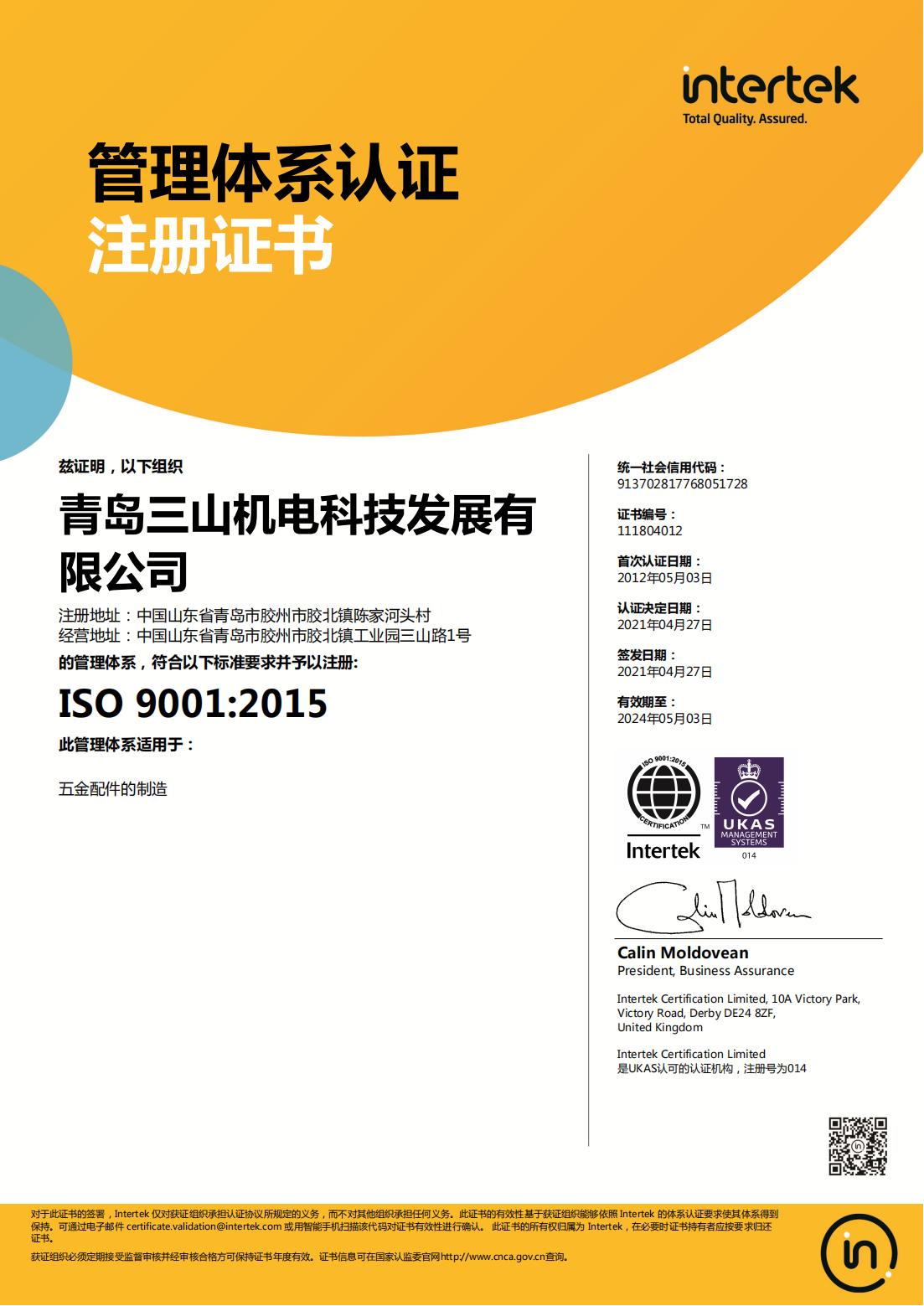
2. Audit Social & Ethical Compliance Certificates
Certifications like BSCI (Business Social Compliance Initiative) and Sedex are increasingly important for responsible sourcing. They audit labor practices, health & safety, and business ethics. Verify these through the BSCI or Sedex member platforms. Reputable manufacturers hold these to assure buyers of ethical production. 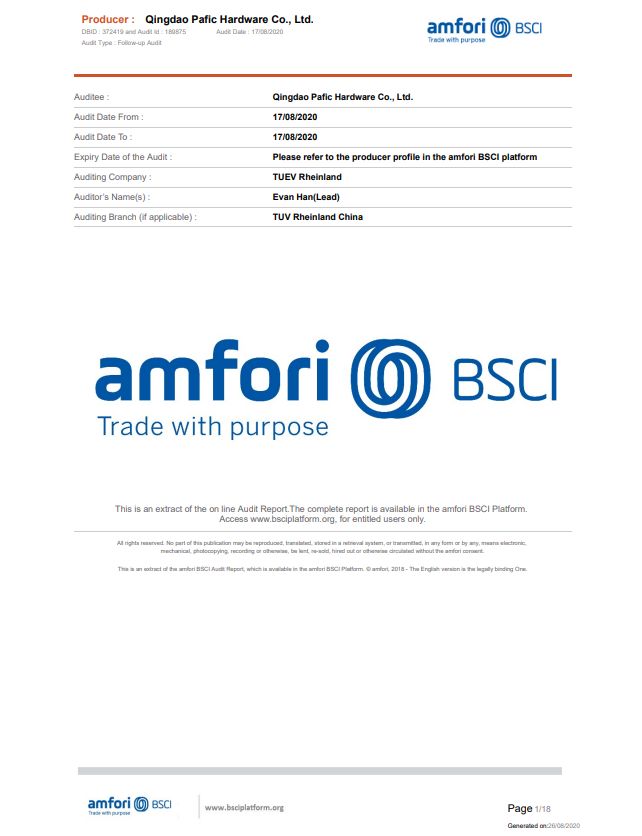
3. Independent Third-Party Laboratory Testing
This is the most definitive step. Before finalizing a large order, hire an accredited third-party lab (e.g., SGS, Bureau Veritas) to conduct random sample testing on the specific swing set with slide or sensory swing you intend to purchase. Tests should cover structural integrity, material safety (phthalates, heavy metals), and finish durability. The cost is a worthwhile investment to mitigate risk.
Part 3: Understanding and Budgeting for Compliance Costs
Compliance has a cost, which should be factored into your total landed cost. A transparent supplier will help you understand this breakdown.
| Cost Component | Typical Range (USD) | Description |
|---|---|---|
| Initial Product Certification (e.g., EN 71, ASTM) | $2,000 - $10,000+ | One-time fee for testing and certification of a product model by a notified body. Complex wooden swing sets cost more. |
| Factory Audit & System Certification (e.g., ISO 9001, BSCI) | $3,000 - $8,000 (annual) | Costs for auditing the manufacturer's quality and social management systems. Often borne by the supplier. |
| Material Upgrades for Compliance | Varies (5-15% material cost) | Cost of using RoHS-compliant paints, lead-free hardware, and premium, splinter-free wood for outdoor swing set. |
| Pre-shipment Inspection & Batch Testing | $300 - $800 per inspection | Regular verification of production batches to ensure consistency with certified samples. |
Pro Tip: Partnering with a supplier that already holds comprehensive certifications for your target markets can significantly reduce these costs and lead times for you.
Part 4: Case Study: PAFIC PLAY – A Blueprint for Global Compliance Success
Qingdao Pafic Hardware Co., Ltd. (PAFIC PLAY) provides a real-world example of how a leading manufacturer builds a robust compliance framework to serve a global clientele. As North China's largest manufacturer of premium children's playground equipment, their strategy is instructive for buyers.
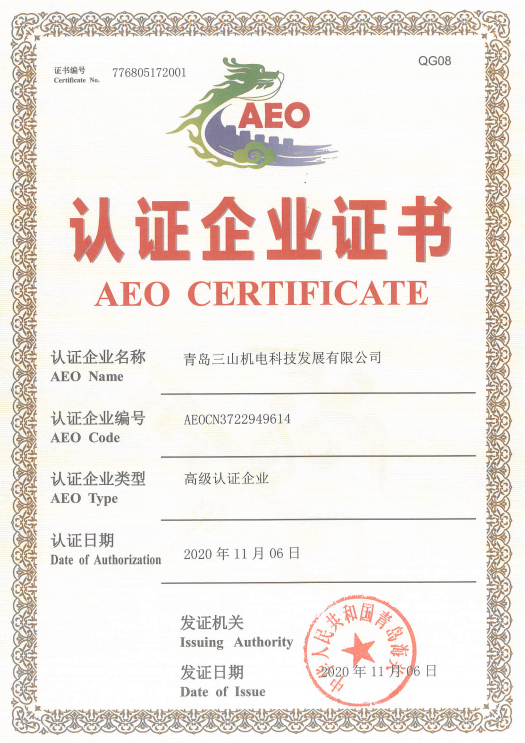
Core Compliance Infrastructure: PAFIC PLAY's 50,000 square meter manufacturing facility is built around compliance. They proactively maintain a portfolio of key certifications, not as a marketing checkbox, but as an integral part of their production DNA. This includes EN 71, ISO 9001:2015 for quality management, BSCI for social accountability, and Sedex for ethical sourcing. They also hold an AEO (Authorized Economic Operator) certificate from Chinese customs, which facilitates faster, more reliable logistics—a critical but often overlooked aspect of supply chain compliance.
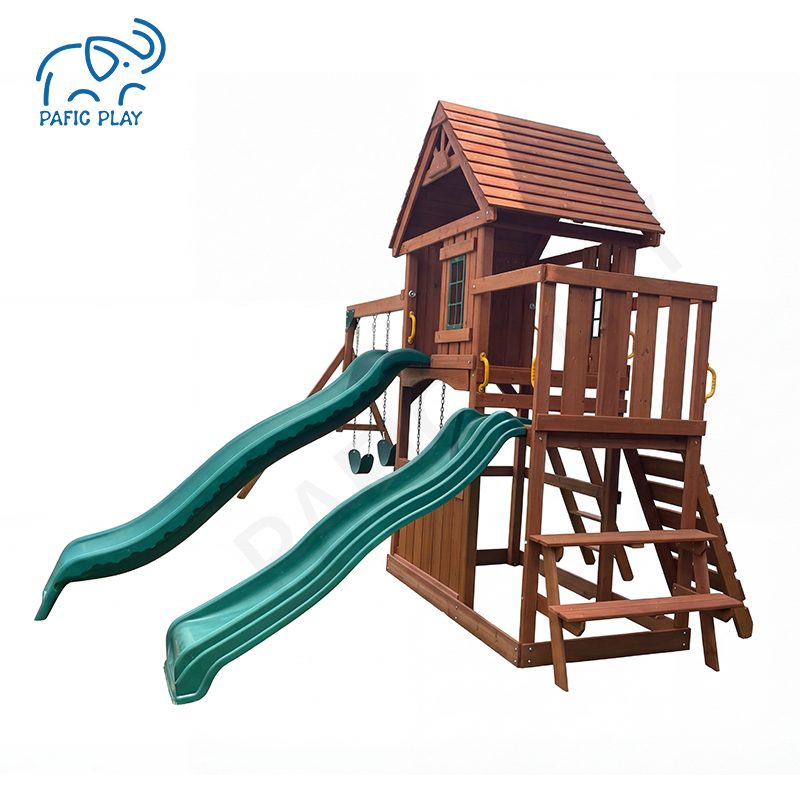
Design-to-Compliance Approach: From the initial design phase of a swing and slide combo or a sensory swing, their engineering team integrates safety and material standards. They use certified, sustainable timber and non-toxic, weather-resistant coatings that meet EU REACH and US CPSC requirements by default. This proactive design eliminates costly post-production re-engineering.
Transparency and Verification Ease: PAFIC PLAY provides buyers with direct access to certificate numbers and reports. Their comprehensive certification portfolio, viewable on their website https://www.paficplay.com, allows serious buyers to verify credentials quickly. This transparency builds trust and streamines the procurement process for Fortune 500 companies and large project developers they serve.
The Result: This embedded compliance culture enables PAFIC PLAY to successfully export kids swing, outdoor swing set, and complete playground solutions to over 50 countries across Europe, North America, Australia, and the Middle East. For buyers, this translates to reduced risk, faster time-to-market, and confidence in product safety.
Final Procurement Checklist
- Define Market Requirements: Before sourcing, list all mandatory certifications for your destination country.
- Request & Verify: Ask potential suppliers for valid certificates and verify them online with the issuing bodies.
- Audit Beyond Product: Check for factory system certifications (ISO, BSCI) to assess overall operational reliability.
- Budget for Testing: Allocate funds for pre-shipment inspections or random sample testing by a third-party lab.
- Partner, Don't Just Purchase: Choose a supplier like PAFIC PLAY that demonstrates a deep, proactive commitment to compliance as a core business function. Contact them at info@paficplay.com or +86-13697685330 to discuss certified swing set solutions.
By following this disciplined approach, industrial buyers can transform compliance from a daunting obstacle into a strategic advantage, securing safe, high-quality products and building resilient, trustworthy supply chains.
Have Questions or Need More Details?
Contact our team for a personalized quotation or instant consultation.
Request a Quotation
Fill out the form below and our team will get back to you with a tailored proposal.
WhatsApp Direct Chat
Prefer to chat in real-time? Message us on WhatsApp for instant assistance & quick answers.
- Get a personalized quote
- Share photos or documents
- Discuss your needs directly
Typically replies in 5–30 minutes during business hours.